
My old, arthritic fingers aren’t what they used to be, especially when sending CW in colder weather. I’ve tried a variety of gloves over the years, but they have each had their drawbacks. Recently, my (far) better half stumbled across an inexpensive pair of gloves that seem to be just what I’ve been looking for.
[Note: This post is not sponsored, and there are no affiliate links.]
I mentioned my cold weather CW dilemma to my (far) better half in passing, and she found an interesting pair of gloves on Amazon a few minutes later. They are the Glider Touch Screen gloves for $8.99 (USD). At that price, I took a chance and fired off an order to try them. After measuring my hand and using their sizing guide, I went with the large size. Glider Gloves is a Canadian company, and our friends to the north certainly know a thing or two about cold weather.
Some reviewers on Amazon complained about these gloves having a snug fit, but that’s exactly what I’ve been looking for. I use iambic (squeeze) keying and paddles with a light touch, so bulky gloves can make accurate sending difficult.
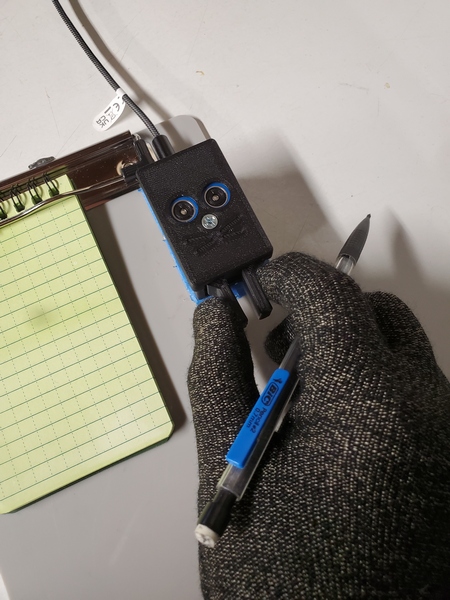
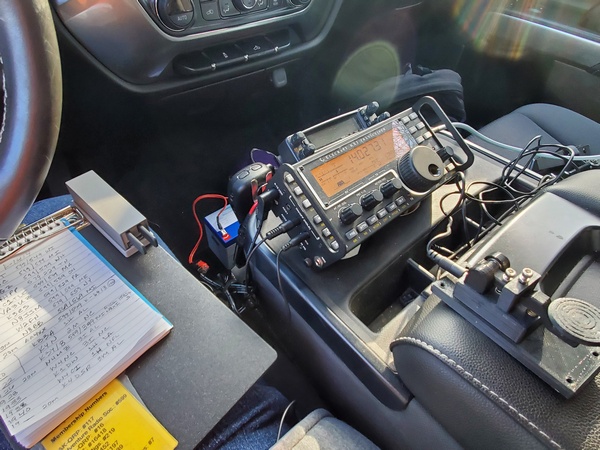
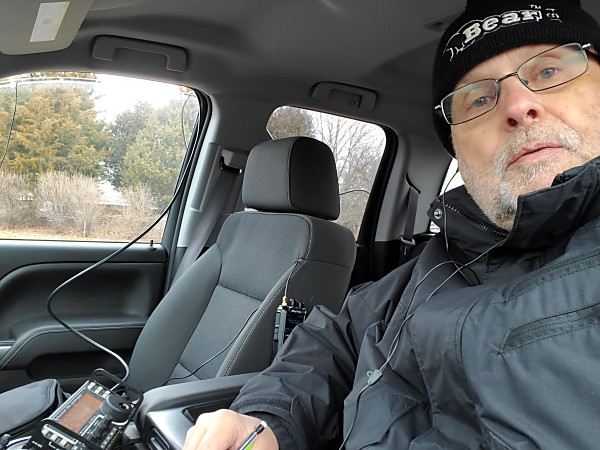
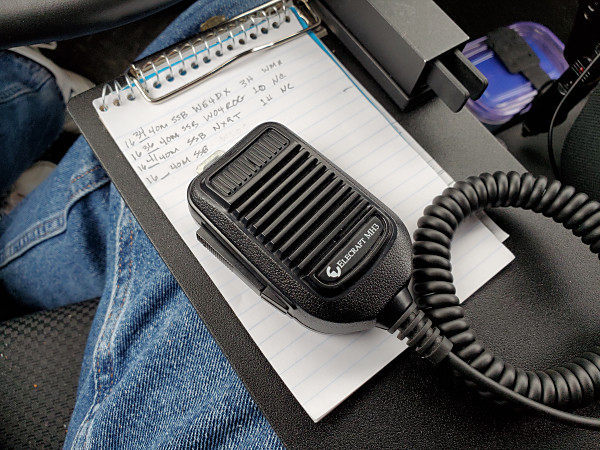
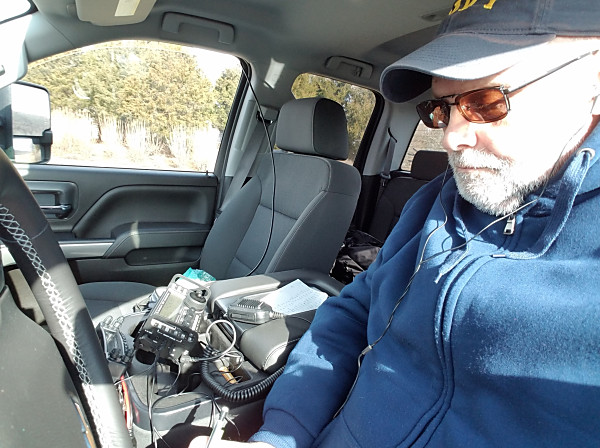
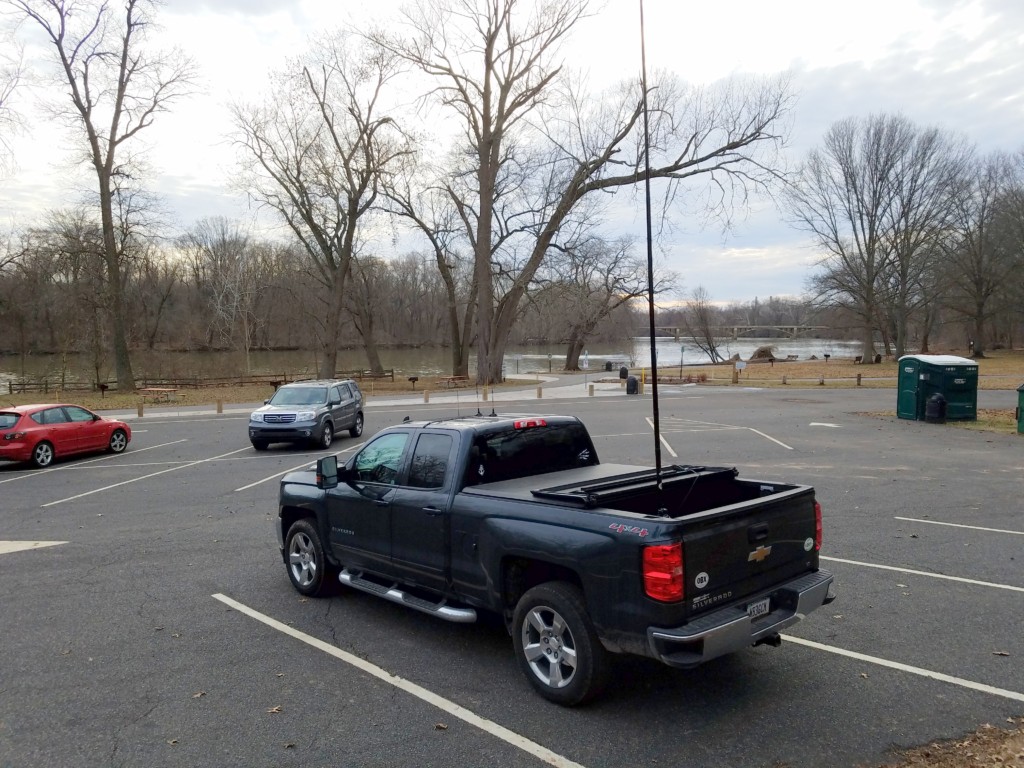
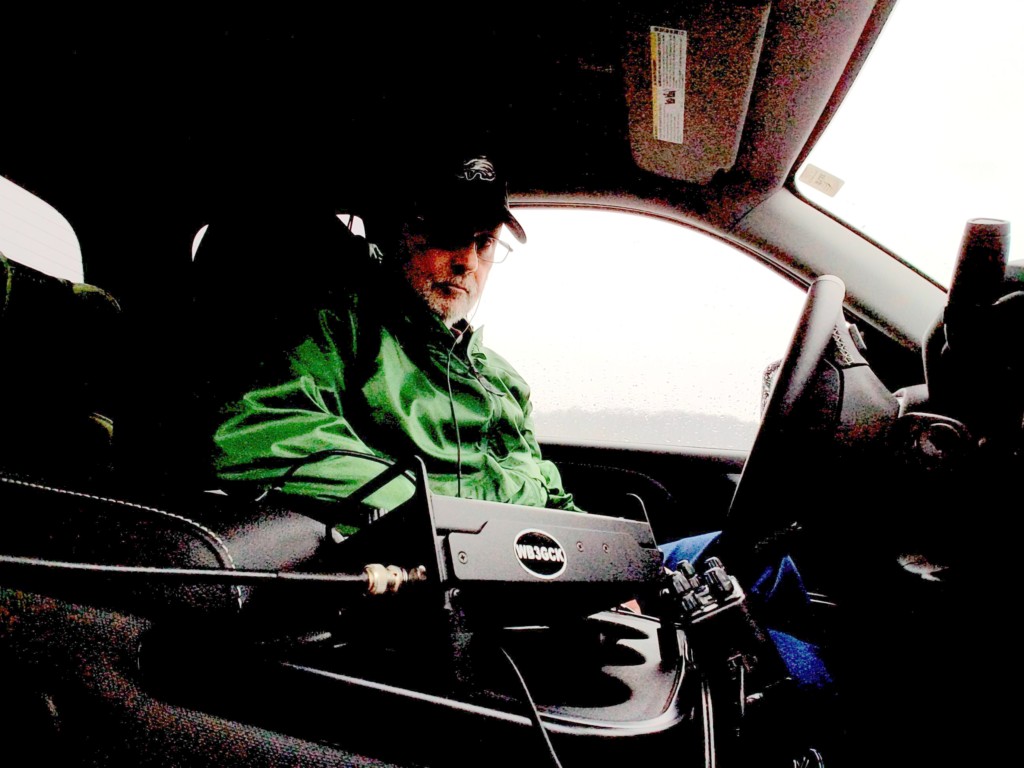
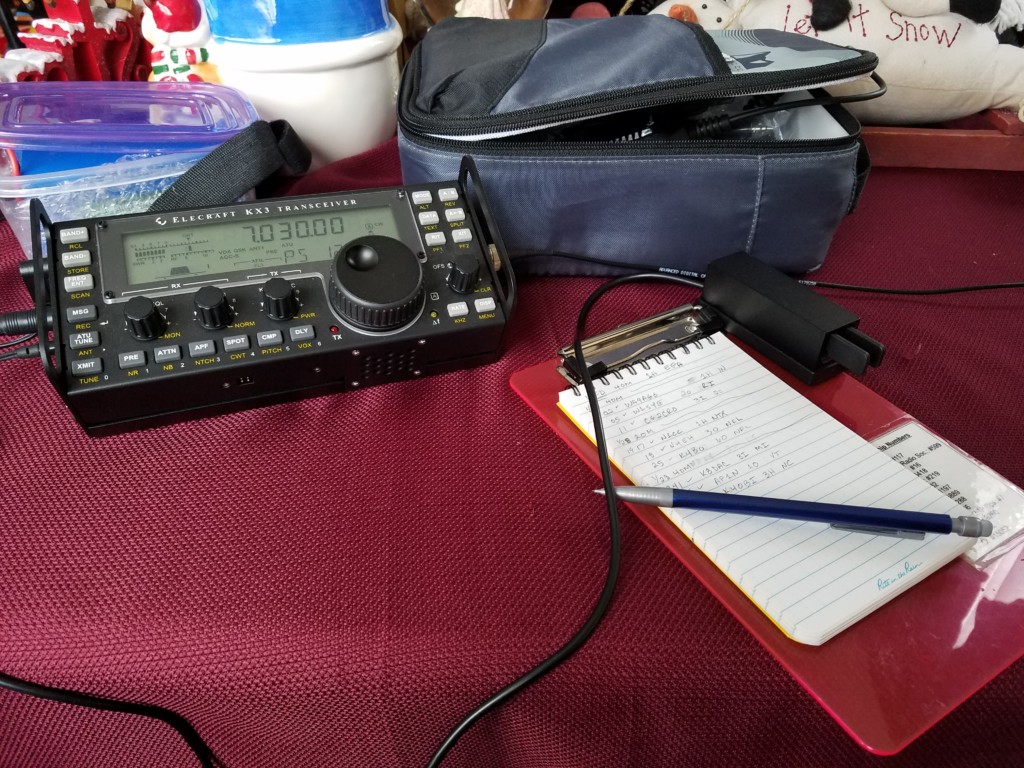
I tried my new gloves during a recent POTA/WWFF activation. They definitely have a snug fit, but they conform nicely to the shape of my fingers. There’s no excess material in the fingertips to interfere with keying. Normally, I use the paddles while holding a pencil, so I can quickly alternate between keying and logging. I found I could still do that with no issues. My log’s legibility was no worse than my normal chicken scratch.
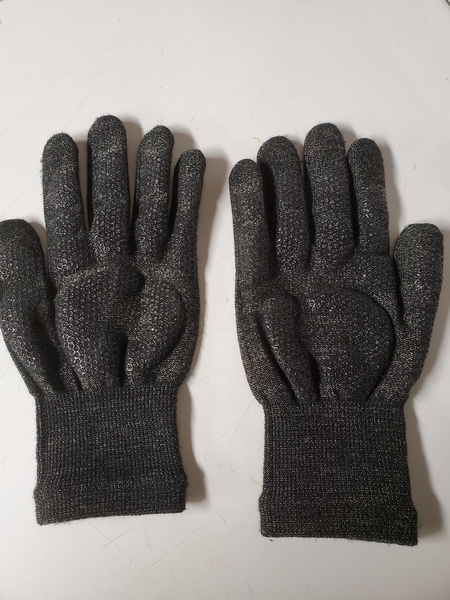
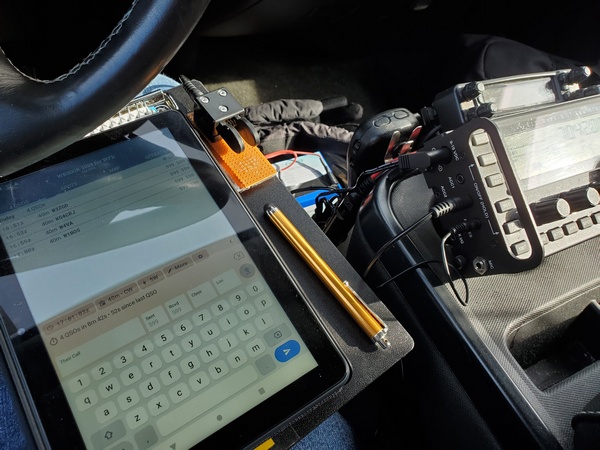
They also worked great when I entered my spotting information using my cell phone. To facilitate use with touch screens, they have some copper woven right into the material. My typing on the phone was about the same as my normal “fat-fingering.”
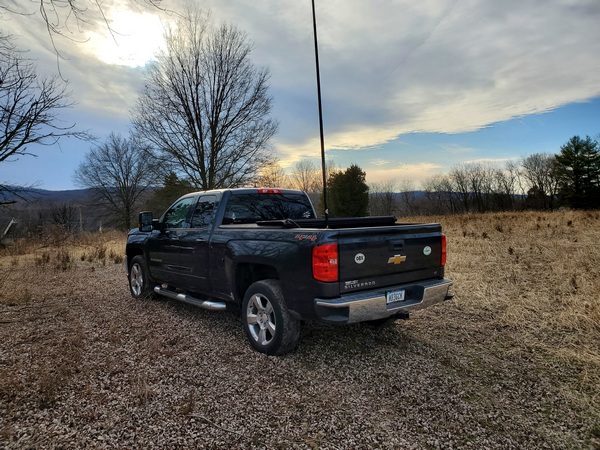
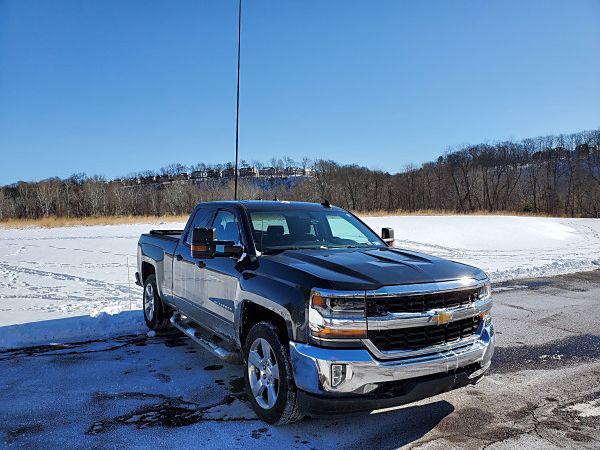
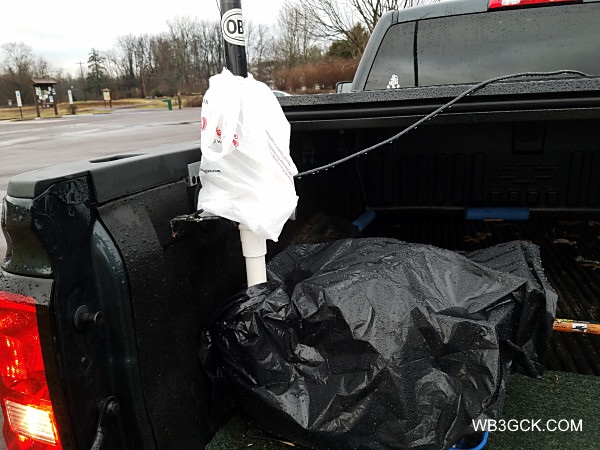
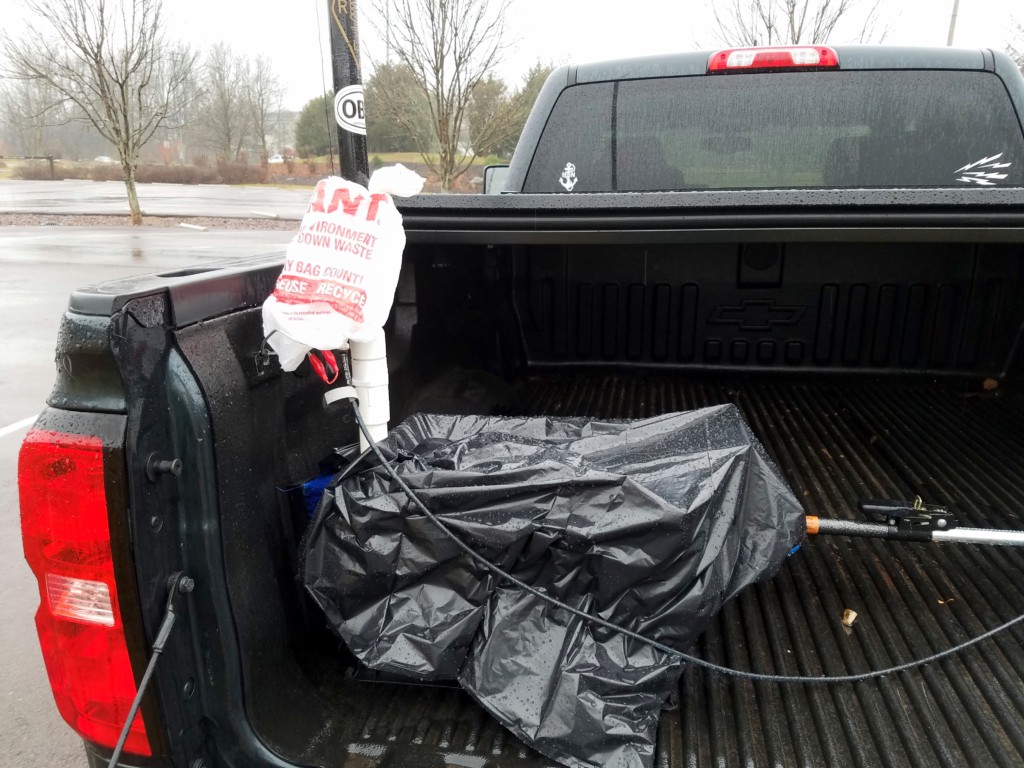
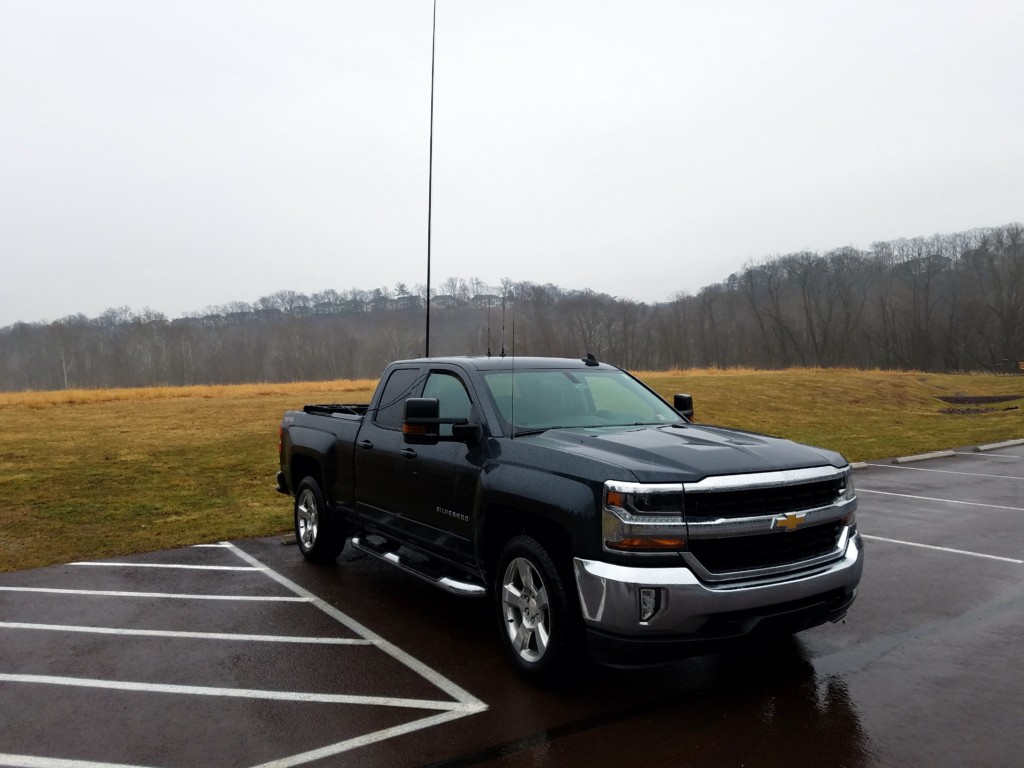
Since they are thin and form-fitting and have some non-slip material on the palms, they are good for other tasks requiring manual dexterity. Normally, I have to take my gloves off at some point when installing the antenna on my truck. This time, however, I had the Glider gloves on and had no problems screwing the parts together.
The temperature in the truck during my brief activation was about 45° F (7° C), and my hands stayed reasonably warm. The manufacturer says they’re good for “moderate temperatures,” so I probably wouldn’t wear them on an Artic expedition. Regardless, they are a whole lot better than no gloves at all—which is how I sometimes operated in the cold. I can also put my regular gloves on over them if I need to take a break from sending.
I had hoped to use them during Winter Field Day this year, but some personal obligations and a snowstorm forced me to sit this one out. According to the weather forecasts, we have a lot more winter weather ahead of us here in Pennsylvania, so I’m sure these gloves will still get plenty of use.
There are lots of similar gloves on the market, so there may be better options out there. Since I tend to avoid operating in extremely low temperatures anyway, I think these should do the job for me.
72, Craig WB3GCK


 WB3GCK QRP Amateur Radio