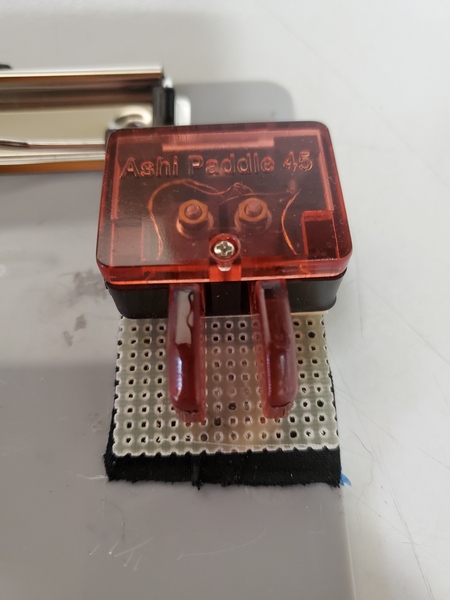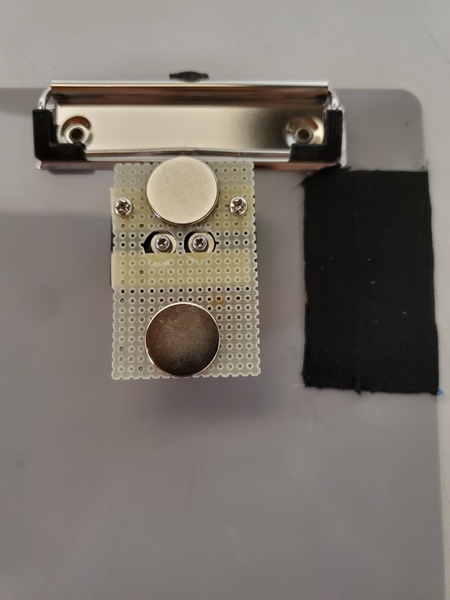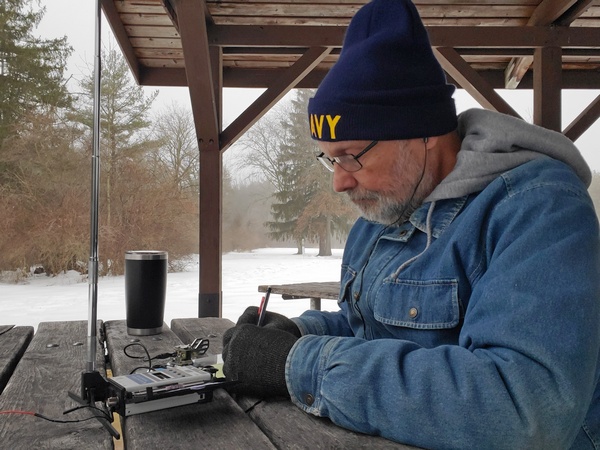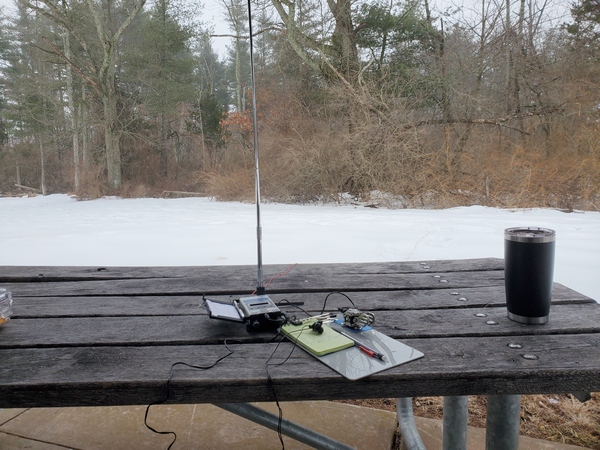
For those of us who use it, the advantages of the CW mode are well known. It’s efficient and cuts through noise better than voice. CW is also well-suited for low-power (QRP) communications, enabling the use of modest equipment and power sources. Another important advantage is that learning and using Morse code is good for your brain.
It should come as no surprise that ham radio demographics skew heavily towards older adults. Folks over the age of 55 make up roughly 60% to 70% of the ham radio community.1 It’s also widely known that cognitive decline often comes with age. I’ve always believed that Morse code is good exercise for your brain. In doing some research, I found that scientists have studied this, and there’s solid scientific evidence supporting my beliefs.

Five Ways Your Brain Benefits From Morse Code
Mental Exercise There are several studies out there that show the benefits of learning and using a new skill, such as a new language or playing a musical instrument. With Morse code, you are essentially learning and using a new language, since you are translating sound patterns into letters and words. This type of activity strengthens memory and attention.2
Promotes Neuroplasticity. There are studies that show measurable changes in CW operators’ brains related to listening and motor control. Activities like this have been shown to promote neuroplasticity, or the ability to adapt and create new pathways in the brain.3 4 I’m no neuro-scientist, but I’m told this is a good thing for your brain.
Improved Auditory Processing. Copying Morse code by ear is all about recognizing patterns, rhythms, and differences in pitch. This can sharpen auditory discrimination and focus. It seems to me that recognizing patterns, rhythms, and pitches is pretty similar to playing a musical instrument.
Focus and Mindfulness. Copying CW requires our complete attention and sustained concentration. This exercises your brain, not unlike playing a challenging game or solving a puzzle.
Social Interaction. When you use Morse code to communicate with others, it keeps you socially engaged, which is increasingly important as we age. Social engagement is not limited to just Morse code; hams communicate with each other using a variety of modes. Belonging to a radio club or participating in nets also provides social interaction. During my 50-plus years in ham radio, I have had the pleasure of developing countless friendships, both on the air and in person.
It’s Never Too Late to Start
When I was an 18-year-old sailor training to become a U.S. Navy radio operator, I soaked up Morse code like a sponge. Studies show there’s a good reason for that. Younger brains work faster, while processing speed and working memory can decline with age. That doesn’t mean we older folks should throw in the towel on learning new skills. Au contraire! Remember that neuroplasticity I mentioned earlier? Well, science shows that the ability to form new pathways and connections in the brain continues well into our twilight years.5 Contrary to the old adage, it seems you can teach an old dog new tricks.
While younger brains have their speed advantage, older adults approach learning armed with a lifetime of experiences. Because of these accumulated experiences, older folks are often better at problem solving and pattern recognition. Also, our retention and conceptual understanding are often better. We just might need more repetition and smaller chunks of information while learning something new.
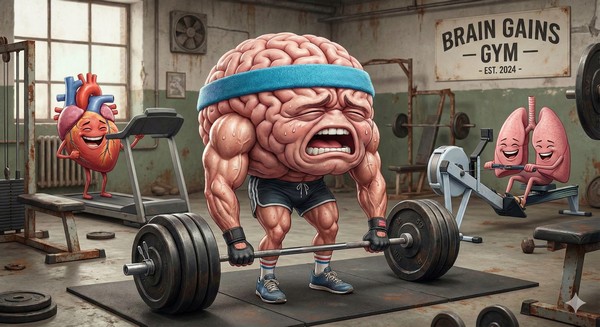
Take Your Brain to the Gym
If you don’t already use CW, consider giving it a shot. It can be challenging, but it’s certainly worth the effort. Just be patient and stick with it. I think you’ll find it’s a fun way to communicate.
If you’re already a CW aficionado, grab that key and join me on the air for a workout!
73, Craig WB3GCK
DIT DIT
References:
- Mann (N0SSC), S. (2021, April 23). There Is Youth in Ham Radio. On All Bands. https://www.onallbands.com/there-is-youth-in-ham-radio/ ↩︎
- Wu, R., & Jessica, C.-L. (2023, June 23). To Stay Sharp as You Age, Learn New Skills. Scientific American. https://www.scientificamerican.com/article/to-stay-sharp-as-you-age-learn-new-skills/ ↩︎
- Schlaffke L, Leemans A, Schweizer LM, Ocklenburg S, Schmidt-Wilcke T. Learning Morse Code Alters Microstructural Properties in the Inferior Longitudinal Fasciculus: A DTI Study. Front Hum Neurosci. 2017 Jul 26; 11:383. doi: 10.3389/fnhum.2017.00383. PMID: 28798672; PMCID: PMC5526915. https://pubmed.ncbi.nlm.nih.gov/28798672/ ↩︎
- Schmidt-Wilcke T, Rosengarth K, Luerding R, Bogdahn U, Greenlee MW. Distinct patterns of functional and structural neuroplasticity associated with learning Morse code. Neuroimage. 2010 Jul 1;51(3):1234-41. doi: 10.1016/j.neuroimage.2010.03.042. Epub 2010 Mar 24. PMID: 20346399. https://pubmed.ncbi.nlm.nih.gov/20346399/ ↩︎
- Greenwood & Parasuraman (2010). Neuronal and cognitive plasticity: A neurocognitive framework for cognitive training in older adults. Restorative Neurology and Neuroscience. https://www.frontiersin.org/journals/aging-neuroscience/articles/10.3389/fnagi.2010.00150/full ↩︎